.avif)
Freevisuals
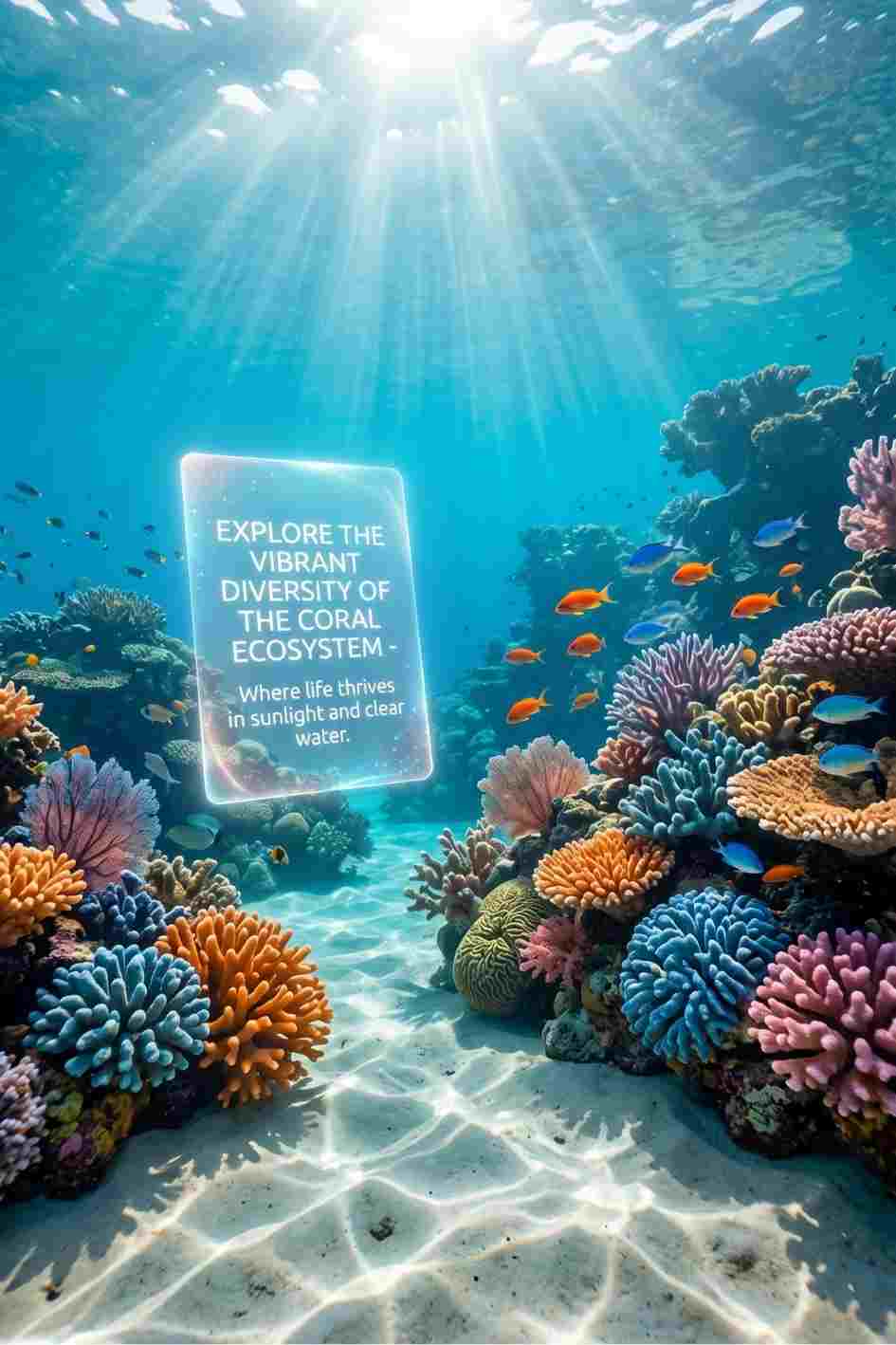
Free AI video prompt for generating immersive underwater coral reef B-roll footage, tested with Runway, Sora, Artlist Studio, and Envato VideoGen.
Download FREEGo Pro To DownloadDownload NOW!Underwater footage occupies a strange position in video production, it is simultaneously some of the most visually compelling content available and some of the most expensive and logistically difficult to capture independently. Professional underwater cinematography requires specialised housing equipment, often a certified diver behind the camera, and access to a reef location healthy and accessible enough to film, which puts genuine underwater B-roll out of reach for the vast majority of creators working on ocean, travel, or marine conservation content. This prompt closes that gap by generating the same visual experience, drifting through a vibrant coral reef with natural light and fish movement, without any of the production barriers.
This page covers the prompt itself, how to adapt it for different depths and moods, which AI video tools handle underwater physics most convincingly, and the practical editing considerations for blending generated footage with real material.
Filming a healthy, visually compelling coral reef requires several things to align simultaneously that most creators simply do not have access to, a waterproof camera housing rated for the intended depth, a diver competent enough to operate camera equipment underwater while managing their own buoyancy and air supply, a reef location healthy enough to actually look impressive on camera, and favourable water visibility on the specific day of filming. Any one of these factors being unavailable or unfavourable can make a planned underwater shoot impossible, and all of them being available simultaneously is genuinely rare even for professional production teams with significant budgets.
This is precisely the kind of production gap that AI video generation is best suited to closing. Rather than needing to solve every one of these logistical problems, a creator can generate a convincing underwater coral reef shot from a detailed text description in minutes, with full control over the lighting, fish movement, and camera behaviour that would otherwise depend entirely on factors outside their control during an actual dive.
Ocean conservation and marine education content in particular benefits enormously from this capability, since the entire premise of much of this content is making the case for protecting environments that most viewers will never personally visit. Generated B-roll cannot replace genuine documentary footage of a specific real location for journalistic purposes, but for general educational content about coral reefs, healthy reef behaviour, and marine biodiversity, AI generated footage provides a visually compelling support layer that would otherwise require licensing expensive stock footage or commissioning real underwater filming.
The gap between wanting to show an audience something and being able to actually capture it has never been smaller, and underwater footage is one of the clearest examples of that gap closing.
A slow cinematic underwater tracking shot moving gently forward through a vibrant coral reef, sunlight filtering down through the water surface above in soft moving rays, schools of small colourful fish darting between coral formations in shades of orange, purple, and electric blue, the camera moves at a calm, gliding pace as if following a diver, gentle particles and bubbles drifting upward through the frame, the water has a clear turquoise quality with natural light refraction, soft caustic light patterns dancing across the sandy seafloor and coral surfaces, a sense of peaceful discovery and natural wonder, documentary nature cinematography style similar to a premium ocean documentary, smooth stabilised camera movement, 4K quality, 10 second duration, no text or overlays
This is the exact prompt included in the free download below, along with deeper reef, shallow reef, and meditative ambient variations.
The included deeper reef variation shifts the lighting toward a more blue, dimmer quality consistent with greater depth, and introduces the possibility of a single larger animal such as a sea turtle or reef shark passing calmly through the distant background. This variation suits content with a slightly more dramatic or mysterious tone compared to the bright, shallow reef energy of the base prompt.
For content that wants to emphasise maximum colour vibrancy and energy, the shallow reef variation calls for very bright direct sunlight, extremely saturated coral colours, and a dense, synchronised school of fish moving as one group through the frame. This works particularly well as an attention grabbing opening shot for ocean or travel content rather than a calmer supporting B-roll element.
The meditative variation requests minimal camera movement and an almost static framing, designed specifically for looping as a relaxation, sleep, or study background rather than as an active B-roll cutaway. This variant pairs particularly well with the Chill Lo-Fi Study Background music prompt for a complete calming ambient video package.
The single most important quality factor for underwater AI generated footage is whether the water movement and light refraction feel physically plausible. Generate at least three versions and reject any where bubbles move in straight, mechanical lines rather than natural drifting curves, or where light rays through the water surface look flat and static rather than gently shifting, since these artefacts are the clearest tell that footage is AI generated rather than real.
If you are creating content about a specific real reef system, researching the actual fish species and behaviour patterns typical of that location before generating footage helps you write more specific, accurate prompt detail rather than relying on generic colourful fish description. A Caribbean reef and an Indo-Pacific reef have meaningfully different typical fish populations, and specific accuracy matters more for educational or documentary content than for general atmospheric B-roll.
Most AI video tools generate relatively short clips by default, and underwater B-roll often needs to run longer than a typical action shot to convey the calm, immersive quality that makes it effective. If your chosen tool supports extended generation duration, request the longest continuous clip available rather than planning to loop a very short clip, since visible looping is more noticeable in slow, contemplative footage than in fast paced action content.
A subtle but noticeable issue in some AI generated underwater footage is fish movement that repeats in an obviously looped or mechanical pattern rather than appearing genuinely varied and organic. This is more likely to occur in longer generated clips and is worth specifically checking for during review. If a generated clip shows the same group of fish repeating an identical movement pattern, regenerating with slightly different prompt phrasing around fish behaviour, such as specifying that fish should move independently rather than as a single synchronised unit, often resolves the issue.
Beyond the immediate convenience of not needing diving equipment or a certified underwater camera operator, generated underwater B-roll fundamentally changes what is economically viable for smaller ocean and marine focused channels. A single day of professional underwater filming with a qualified operator can cost more than many independent creators spend on an entire month of content production, which historically meant that high quality underwater visuals were effectively reserved for well funded documentary productions and tourism marketing budgets.
This cost barrier had a real effect on what kind of ocean conservation and marine education content could exist on platforms like YouTube, since creators without access to underwater filming budgets were limited to either licensing expensive stock footage repeatedly or relying entirely on narration over static images. Generated footage removes that constraint, allowing a much wider range of creators to produce visually engaging ocean content regardless of their production budget, which has meaningful implications for how widely marine conservation messaging can actually spread.
For documentary and journalistic contexts specifically, it remains important to be transparent with audiences about which footage in a video is AI generated versus genuinely filmed, particularly when covering a specific real location or making factual claims about an actual reef's current condition. Using generated footage as general atmospheric or educational support material while being clear about its origin maintains audience trust far better than presenting generated content as documentary evidence of a specific place or event.
This distinction matters increasingly as audiences become more attuned to the existence of AI generated video content in general. Channels that build a reputation for transparency about their use of generated footage tend to retain audience trust more durably than channels that blur the line without disclosure, particularly once viewers eventually notice the distinction on their own, which is an increasingly common occurrence as AI video generation becomes more visually convincing and more widely recognised by general audiences.
Runway produces the strongest results for the smooth camera movement and water physics this prompt relies on, with Gen-4 handling light refraction and particle movement convincingly. Sora is a strong option when extended duration is needed and your plan supports longer continuous shots. Artlist Studio works well for quickly generating several variations to compare against each other for a documentary style edit. Envato VideoGen is useful if your project also draws on stock footage and templates from the same platform library.
This clip works best as a B-roll cutaway rather than a primary shot, cut in for two to four seconds between narration points in a documentary style video, or looped as a longer background for meditative and ambient content. If mixing with real underwater footage, apply a slight blue colour correction to the AI generated clip to match the colour temperature typical of real underwater camera footage, since AI generated water often renders slightly more neutral or warm than authentic underwater colour conditions. Pairing the visual with a gentle underwater ambience sound layer, rather than relying on music alone, adds a further layer of immersion that helps the generated footage feel more convincingly like a genuine recorded environment.
If you need real underwater footage rather than an AI generated scene, Shutterstock and Envato Elements both carry extensive underwater and marine life footage libraries shot by professional underwater cinematographers.
This prompt is free to use for any purpose, including monetised YouTube content. Whether the generated video can be used commercially depends on the terms of the specific AI tool used, so check your chosen platform's licensing terms before publishing generated content in monetised or client work.
Runway is strongest for water physics. Sora, Artlist Studio, and Envato VideoGen all work well too.
Yes, a meditative variation with minimal camera movement is included.
Yes, free for any purpose including monetised content.
Disclosure: Some links in this post are affiliate links. If you click through and make a purchase, Freevisuals earns a small commission at no extra cost to you. All opinions are entirely our own.
Download free video templates, LUTs, and presets for Premiere Pro, After Effects, DaVinci Resolve, CapCut, and Final Cut Pro.