.avif)
Freevisuals
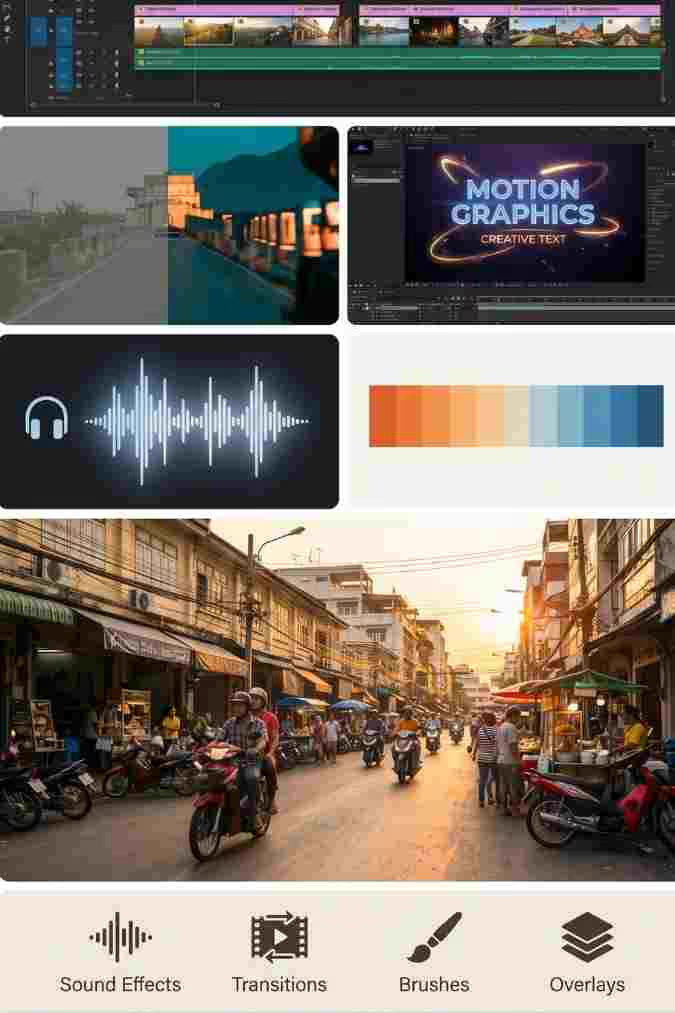
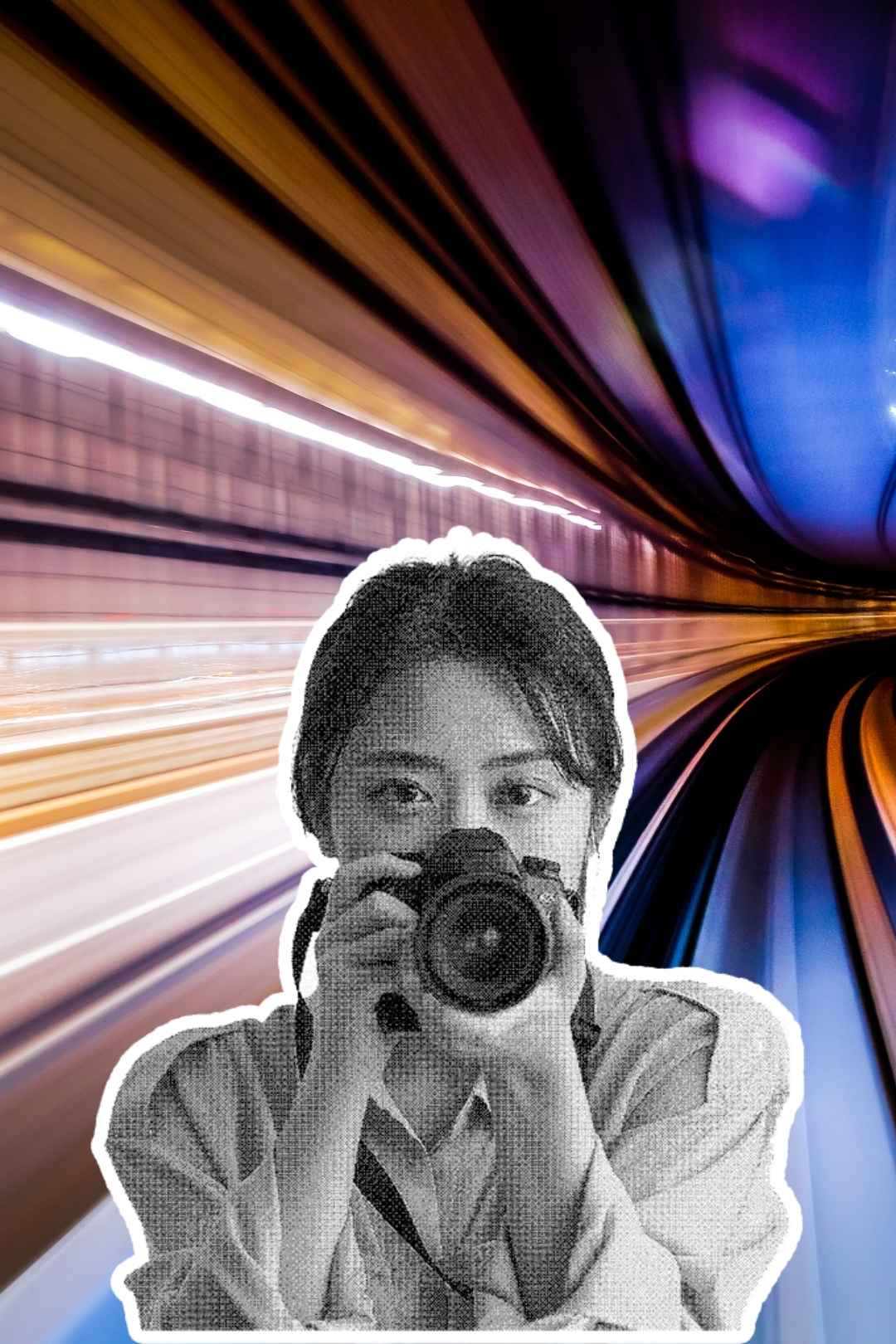
Instant Camera Transitions for Adobe Premiere Pro - high-energy drag-and-drop camera movement transitions including zooms, shakes, slides, and spins for
Download FREEGo Pro To DownloadDownload NOW!Download
A transition can either quietly connect two shots or actively become part of the energy of an edit, and Instant Camera Transitions by vcgmotion is built firmly toward the second category. Designed for Adobe Premiere Pro, this pack recreates the snappy, physical feel of camera movement, whip pans, quick zooms, and flashback-style motion, giving editors a versatile set of transitions that work across zoom-driven cuts, camera movement transitions, and vertical format edits alike.
If you're building a full edit around this transition style, our Premiere Pro templates library covers additional title and social formats to pair with it, and for music with a strong beat to sync your transitions to, Artlist and Epidemic Sound both carry high energy tracks well suited to this kind of fast, punchy transition style.
Most transitions fall into one of two broad categories, effects that try to disappear entirely, a clean cut, a subtle dissolve, or effects that actively announce themselves as part of the edit's energy. Camera movement and zoom-driven transitions like the ones in this pack fall firmly into the second category, mimicking the kind of fast, physical camera motion, a quick whip pan, a rapid push in, that a viewer associates with high energy, fast-paced content rather than a calm, considered edit.
This makes Instant Camera Transitions particularly well suited to content that wants its cuts to feel like part of the excitement rather than an invisible technical necessity. Action sports edits, high energy vlogs, and fast-paced social content all benefit from transitions that reinforce rather than mask the pace of the cutting, and a well-timed whip pan or zoom transition synced to a beat in the music can meaningfully strengthen a viewer's sense of energy and momentum throughout an edit.
The core use case this pack suits well, giving fast-paced action content transitions that match its actual energy rather than a calmer, more understated cut style.
Vloggers cutting between multiple locations or moments within a single video benefit from transitions that keep the pacing snappy and engaging throughout.
Given the pack's vertical format compatibility, short-form content for Reels, TikTok, and Shorts benefits from these transitions' fast, attention-grabbing quality.
Music video editors can time these transitions precisely to specific beats or hits within a track, reinforcing the rhythm of the music through the visual cutting itself.
Narrative content specifically depicting a flashback or memory sequence can use the pack's flashback-style transitions to visually signal this shift to viewers.
Head to the download page and grab the transition files.
Unzip the downloaded folder into a dedicated project directory, keeping it organized alongside your other project assets.
Follow the included installation instructions to add the transition pack to your Premiere Pro Effects panel, or import the project file directly depending on how the pack is structured.
Premiere Pro may need to be restarted, or your Effects panel refreshed, before newly installed transitions appear.
Preview the included camera movement, zoom, and flashback-style transitions to identify which specific effect suits your current cut.
Position the transition directly between the two clips you want to connect on your timeline.
Most transitions of this kind include adjustable speed and intensity controls, tune these to match the specific pacing and energy of your edit.
For music-driven content, align the transition's peak movement precisely with a beat or hit point in your soundtrack for maximum impact.
Since this pack includes several transition styles, test a few different options across your specific footage to confirm which reads most naturally for each individual cut.
Once you're happy with the result, render and export using your project's standard delivery settings.
Camera movement and zoom-driven transitions have become genuinely versatile precisely because they tap into a visual language audiences already associate with energy and momentum, regardless of the specific content category they're applied to. Whether it's an action sports edit, a music video, or a fast-paced vlog, viewers have been conditioned by years of similar content to read a quick whip pan or zoom transition as a signal of pace and excitement, which is part of why this transition style shows up across such a wide range of otherwise very different content types.
This versatility is also why a pack like this one, rather than a single fixed transition effect, offers genuine practical value, different specific cuts within the same project often call for slightly different intensity or style of movement, and having a range of camera movement, zoom, and flashback options available in one pack means you're not limited to forcing every transition through the same single effect regardless of whether it's the best fit for that specific moment in your edit.
Overusing the most intense transition throughout an entire edit. Reserve your strongest, most dramatic transition for a genuine standout moment rather than applying it uniformly to every cut.
Using camera movement transitions on static, tripod-locked footage. These transitions read most naturally when your surrounding footage already has some dynamic movement to match, applying them to completely static shots can feel visually jarring.
Ignoring transition timing relative to music. For music-driven content specifically, transitions that land slightly off from the actual beat can undermine the pacing effect you're trying to create.
Applying the same single transition style to every cut in a project. With multiple transition styles included in this pack, varying your approach across different specific cuts keeps the overall edit feeling considered rather than repetitive.
How To Get Perfect Speed Ramp Transitions In Premiere Pro, useful background on combining speed ramping with camera movement style transitions for maximum pacing impact.
Camera movement and zoom transitions work best as part of a broader, considered editing approach rather than a standalone effect dropped indiscriminately between clips. Many editors specifically working in fast-paced, high energy genres build their entire cutting rhythm around where these transitions will land, planning footage selection and pacing with the transition points already in mind, rather than editing a full sequence first and only adding transitions as an afterthought.
This approach tends to produce a more cohesive final result, since the underlying footage, camera movement, and cutting rhythm all support the transition style being used rather than the transitions feeling like an effect layered on top of an otherwise unrelated edit. If you're building a project specifically around this transition pack's style, it's worth planning your shot list and rough cutting rhythm with these transitions already factored in from the earliest planning stages.
Since camera movement transitions read most convincingly when paired with footage that already contains some genuine dynamic motion, it's worth considering a few specific filming techniques when shooting content intended for this transition pack. A deliberate whip pan captured in-camera, quickly swinging the camera from one subject to another, gives you a natural entry or exit point that a whip pan transition can extend seamlessly, rather than needing to force the transition effect onto footage that was captured with a completely static, locked-off camera position.
Similarly, footage captured with intentional camera movement, a quick push in toward a subject, a rapid pull back to reveal a wider scene, gives zoom-driven transitions from this pack considerably more natural material to work with. Planning at least some of your shots with this kind of complementary movement in mind, rather than relying entirely on static shots and hoping the transition effect alone can supply all the necessary energy, tends to produce a noticeably more polished and cohesive final result.
For editors and content creators producing content regularly within a specific genre, action sports, vlogging, music content, the specific transitions chosen from a pack like this one, and how consistently they're applied, can become a genuine part of a recognizable personal or brand editing style over time. Rather than treating transition choice as a purely functional decision made fresh for every new project, some editors deliberately settle on a small, consistent subset of favourite transitions from a larger pack, using them as a recurring stylistic signature across their body of work.
This kind of consistency can meaningfully strengthen audience recognition over an extended body of content, viewers who watch a creator's work regularly may begin to associate a specific whip pan style or zoom transition with that creator's particular editing voice, in much the same way a consistent color grade or music choice builds recognition over time. Considering whether you want to standardize around a smaller set of favourite transitions from this pack, rather than using the full range interchangeably across every project, is worth deciding deliberately as your own editing style develops.
Adobe Premiere Pro. Check the specific product page for the exact version requirement.
Yes, it's built with compatibility across both horizontal and vertical (9:16) formats.
Yes, most transitions of this kind include adjustable speed and intensity controls within Premiere Pro's Effect Controls panel.
They can, but they tend to read more naturally on footage that already has some dynamic camera movement to match the transition's own motion.
Check the specific license terms on the download page to confirm coverage for your intended commercial use case before using it in paid client work.
Check the specific product page to confirm, most transition packs of this kind are built to work natively within Premiere Pro without additional plugins, though this can vary by specific product.
Affiliate Disclosure: This post may contain affiliate links. If you make a purchase through one of these links, FreeVisuals may earn a commission at no extra cost to you. We only recommend products and platforms we genuinely believe in. Read our full disclosure policy.

Download free video templates, LUTs, and presets for Premiere Pro, After Effects, DaVinci Resolve, CapCut, and Final Cut Pro.